- The Keynote Curators - Top Speaker Agency in North America
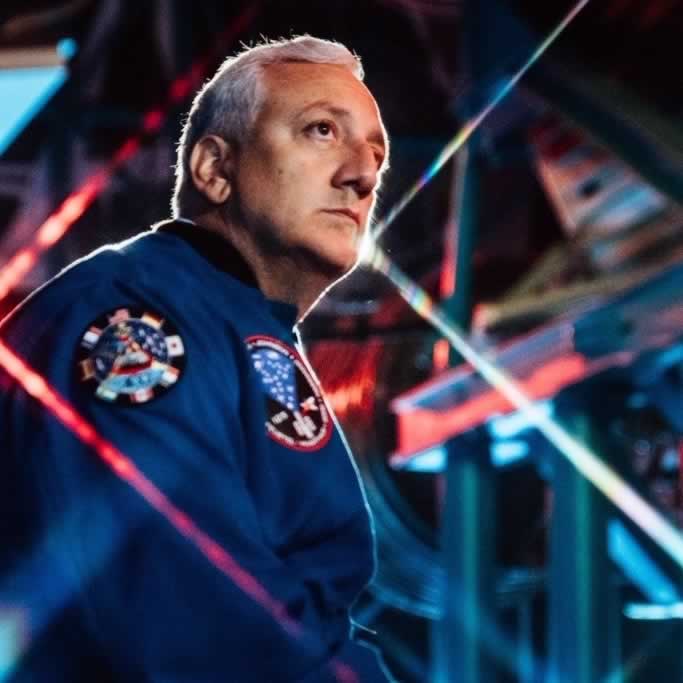
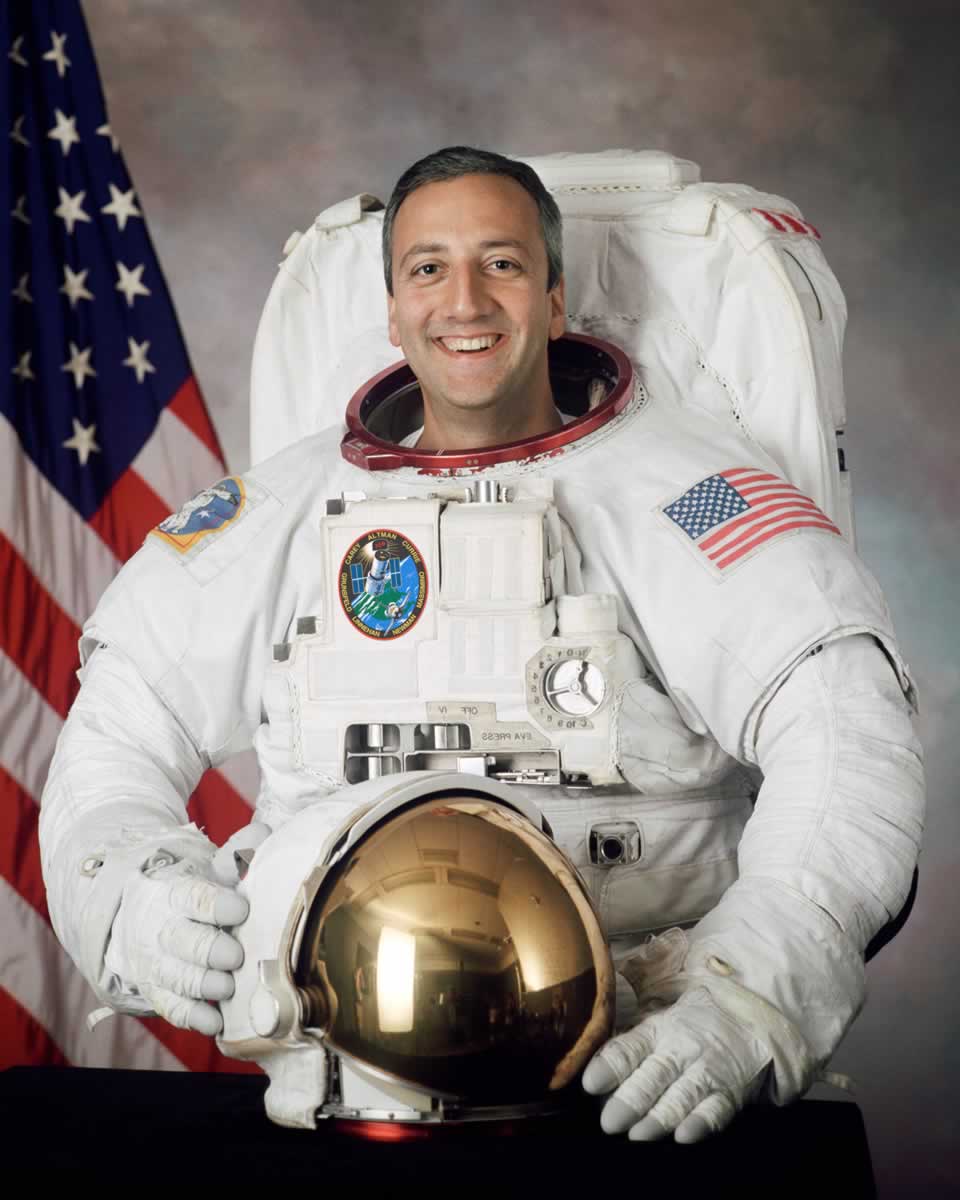
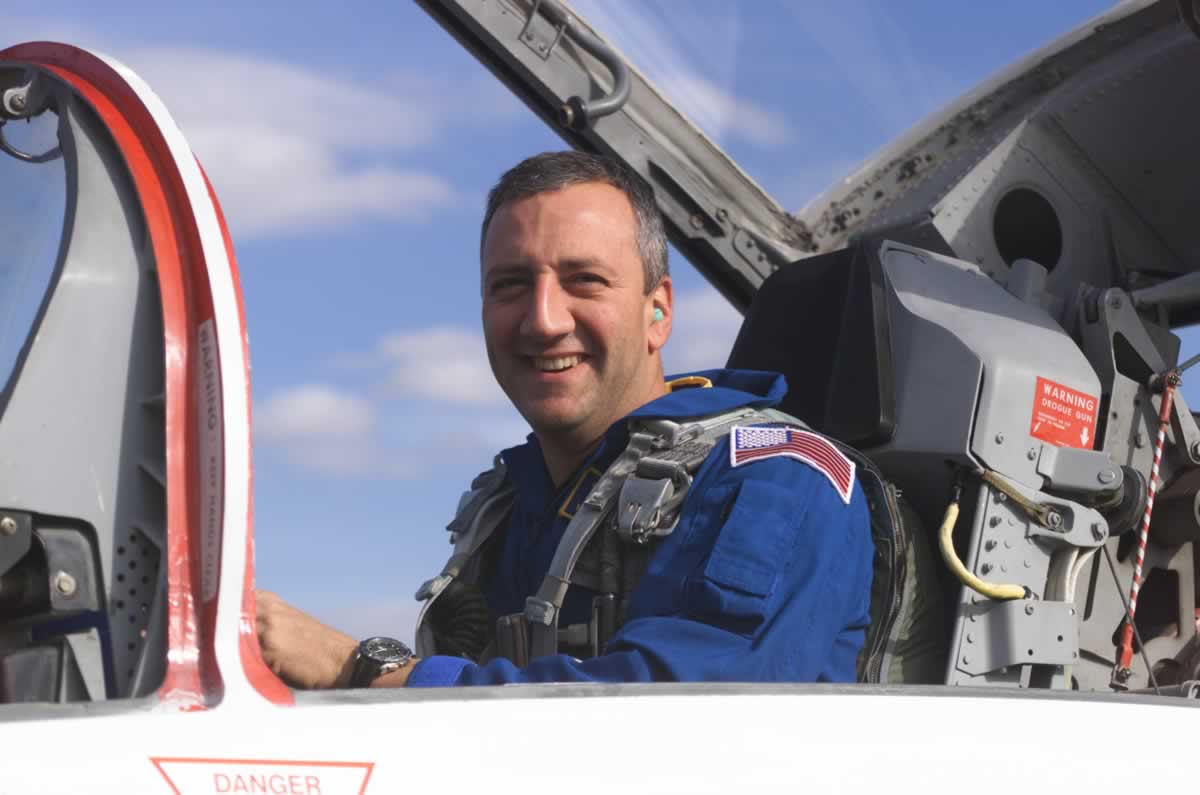
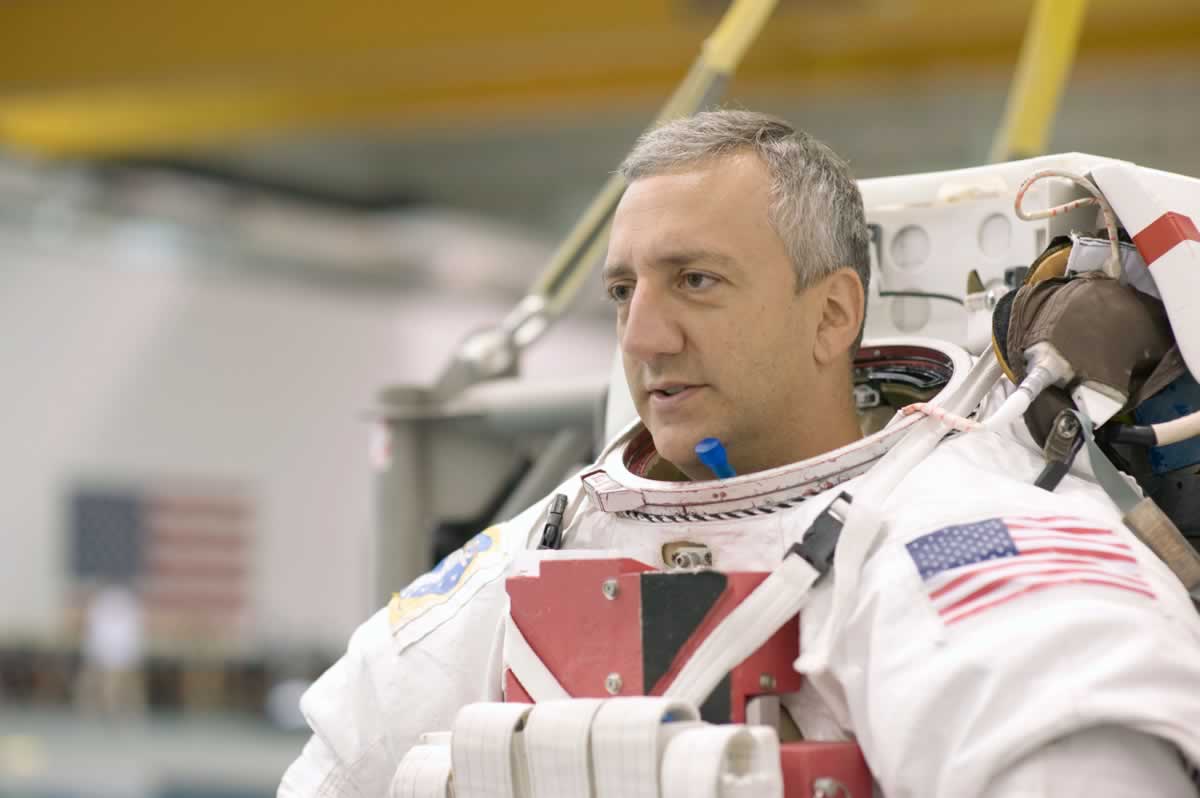
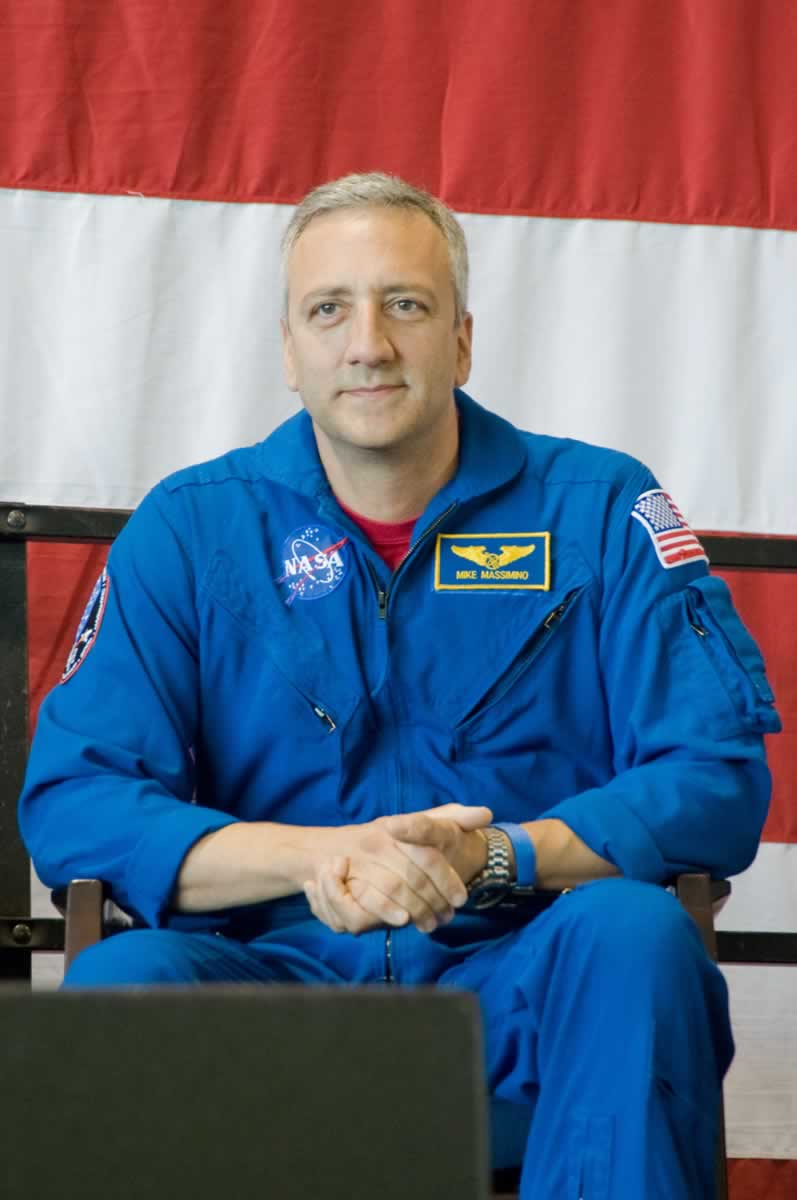
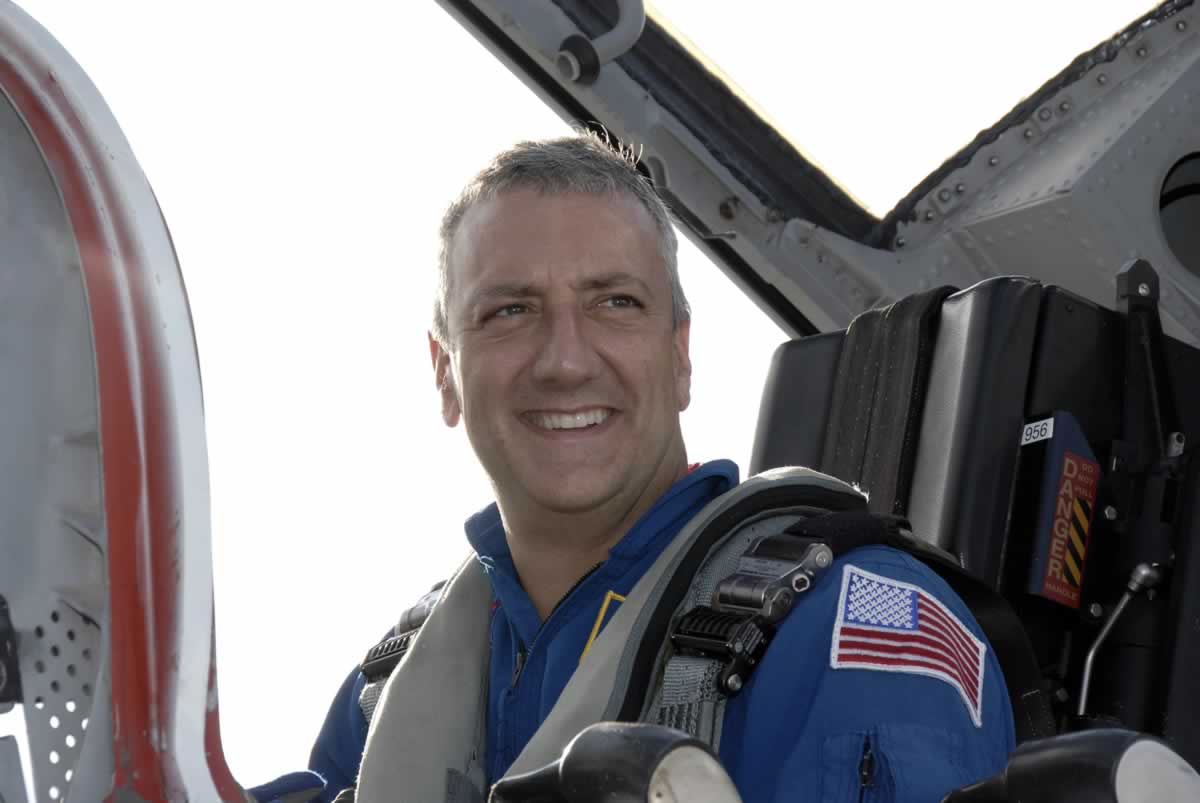
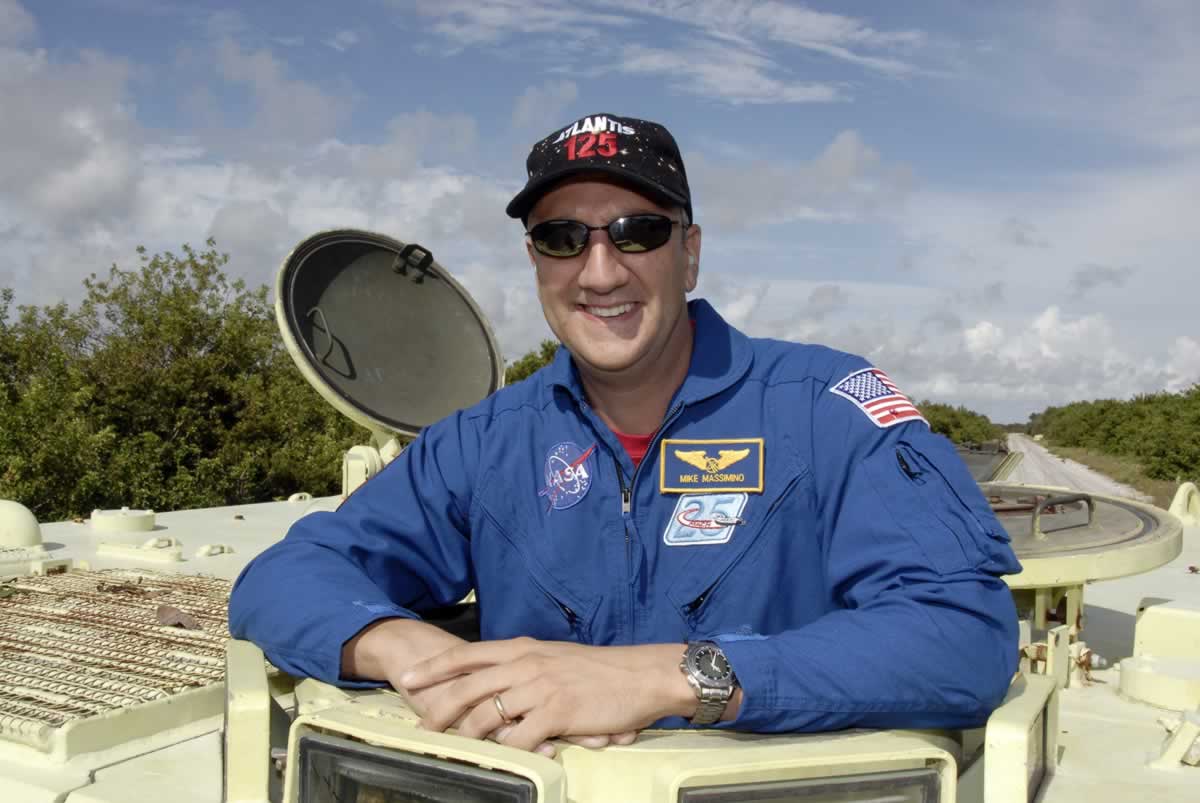
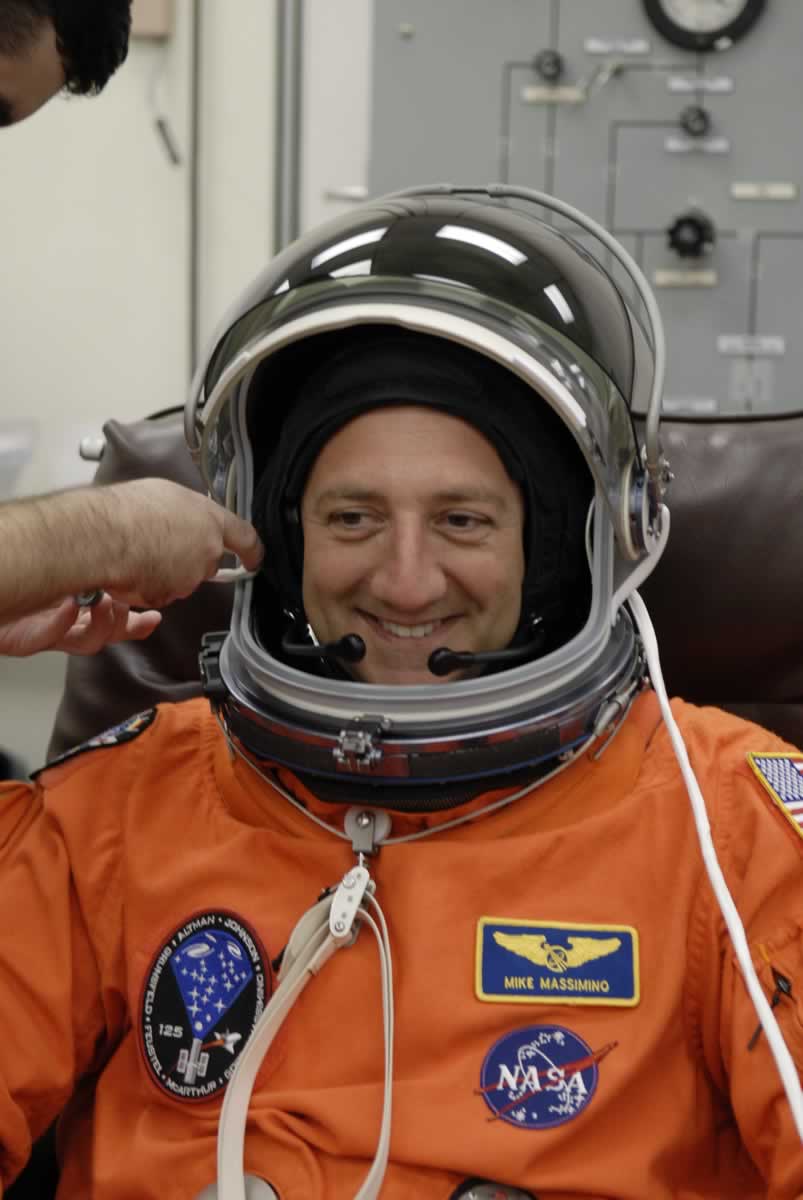
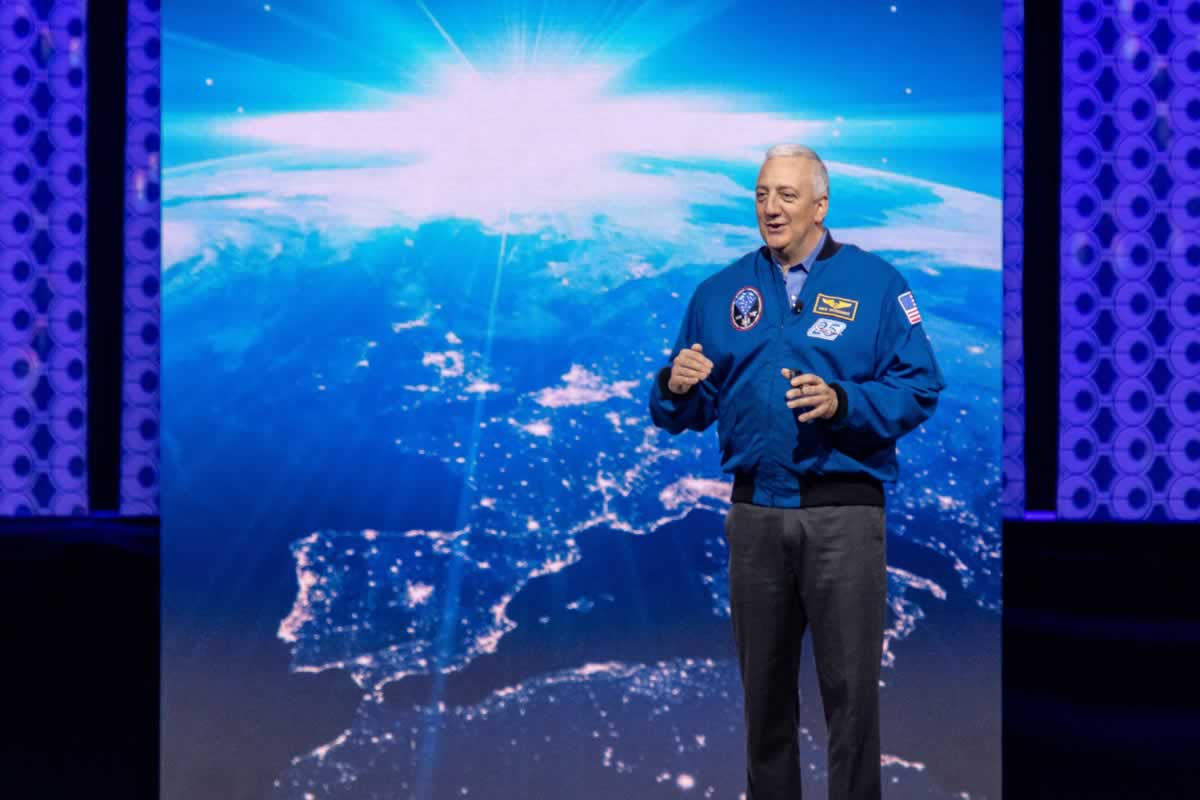
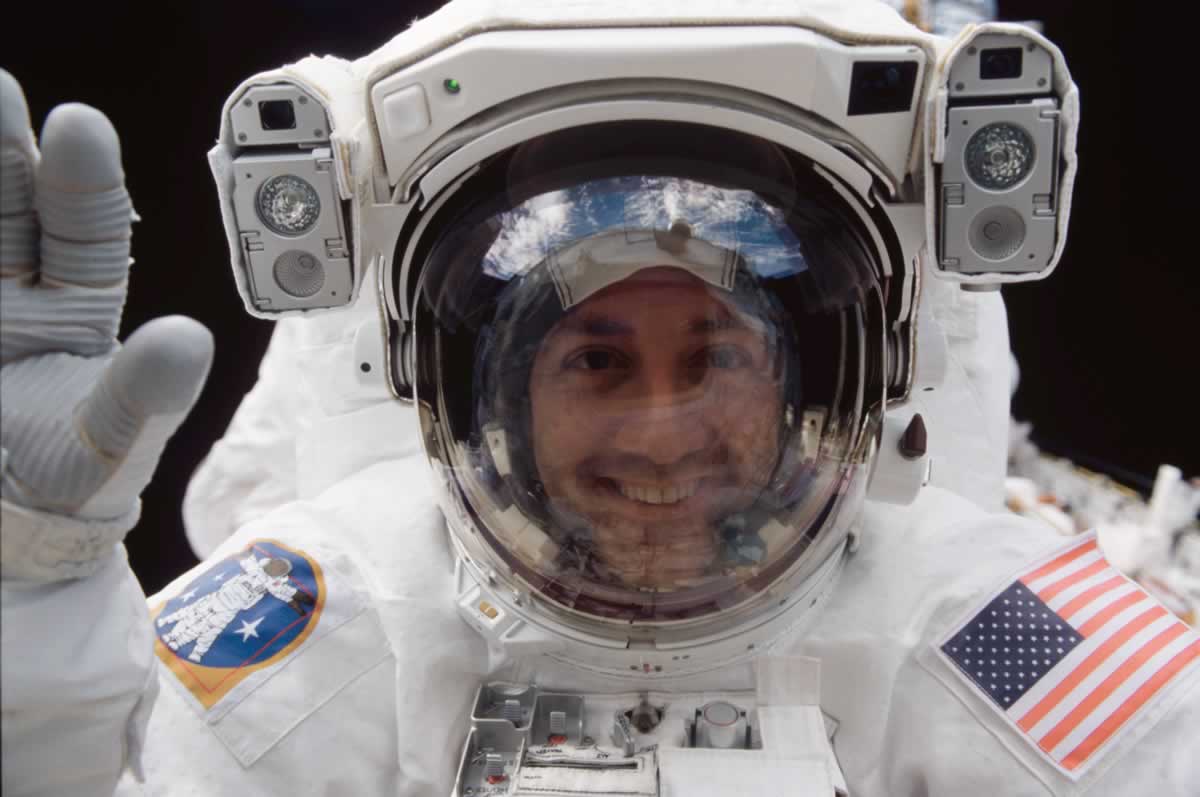
Mike Massimino, a former NASA astronaut, is a professor of mechanical engineering at Columbia University and the senior advisor for space programs at the Intrepid Sea, Air & Space Museum. He received a BS from Columbia University, and MS degrees in mechanical engineering and in technology and policy, as well as a PhD in mechanical engineering, from the Massachusetts Institute of Technology.
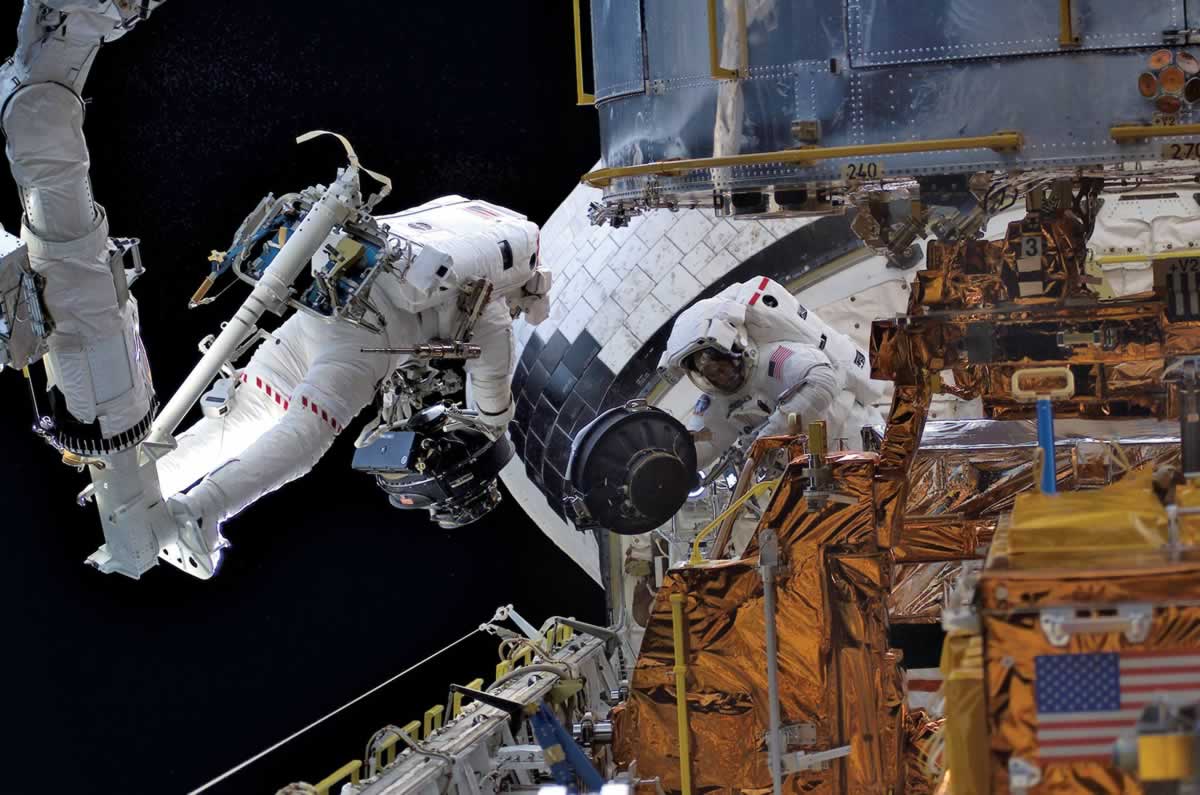
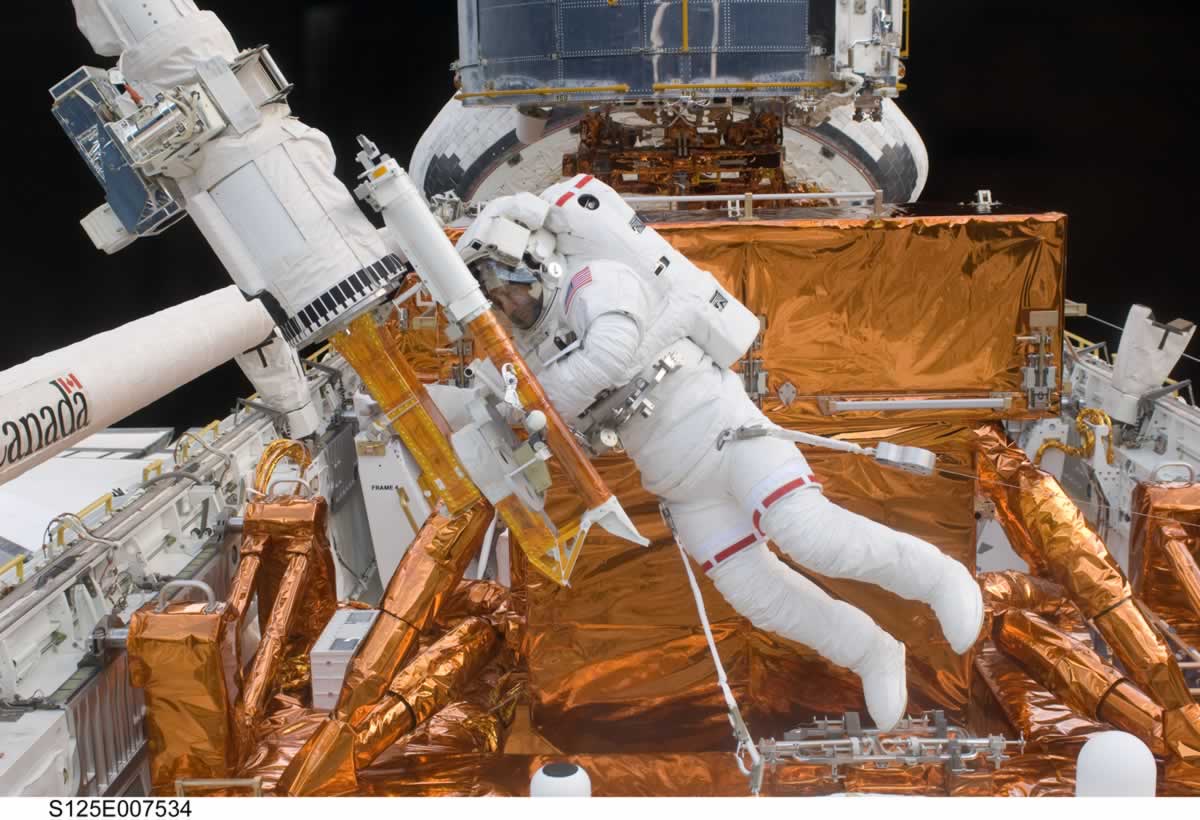
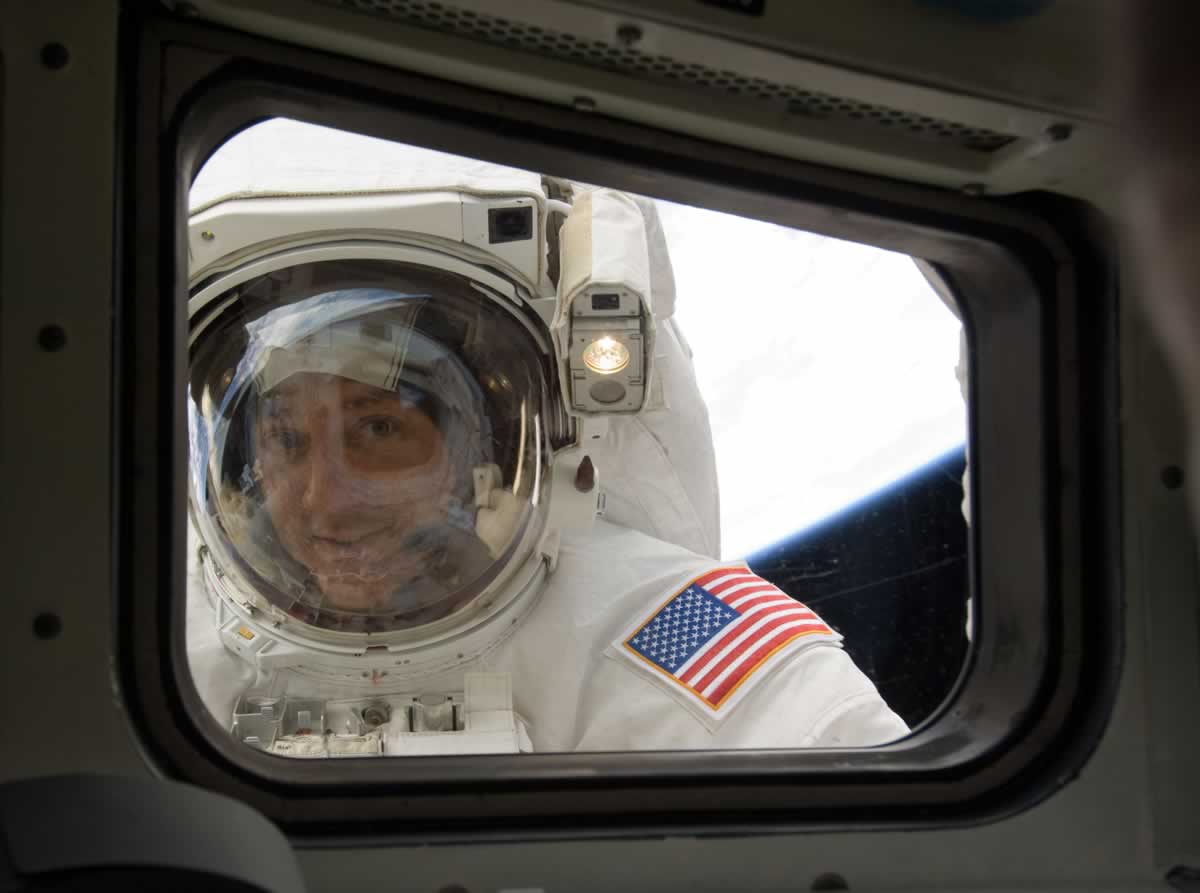
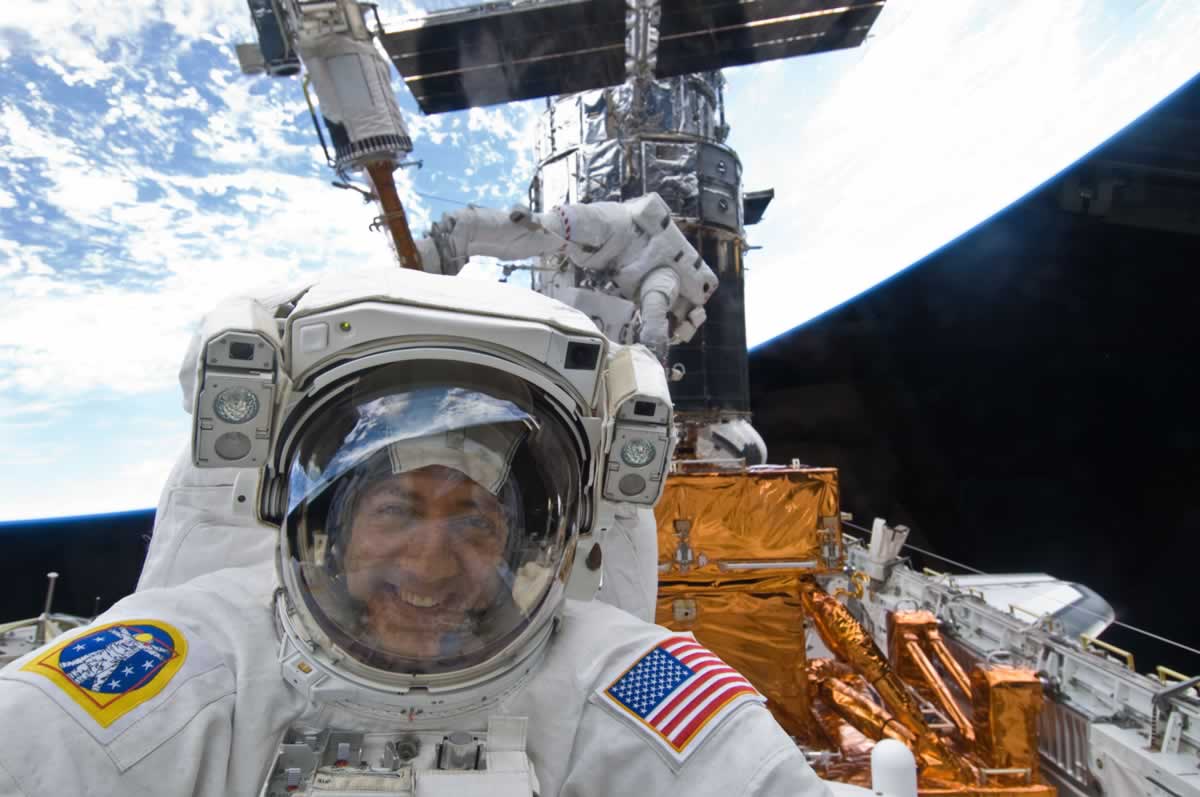
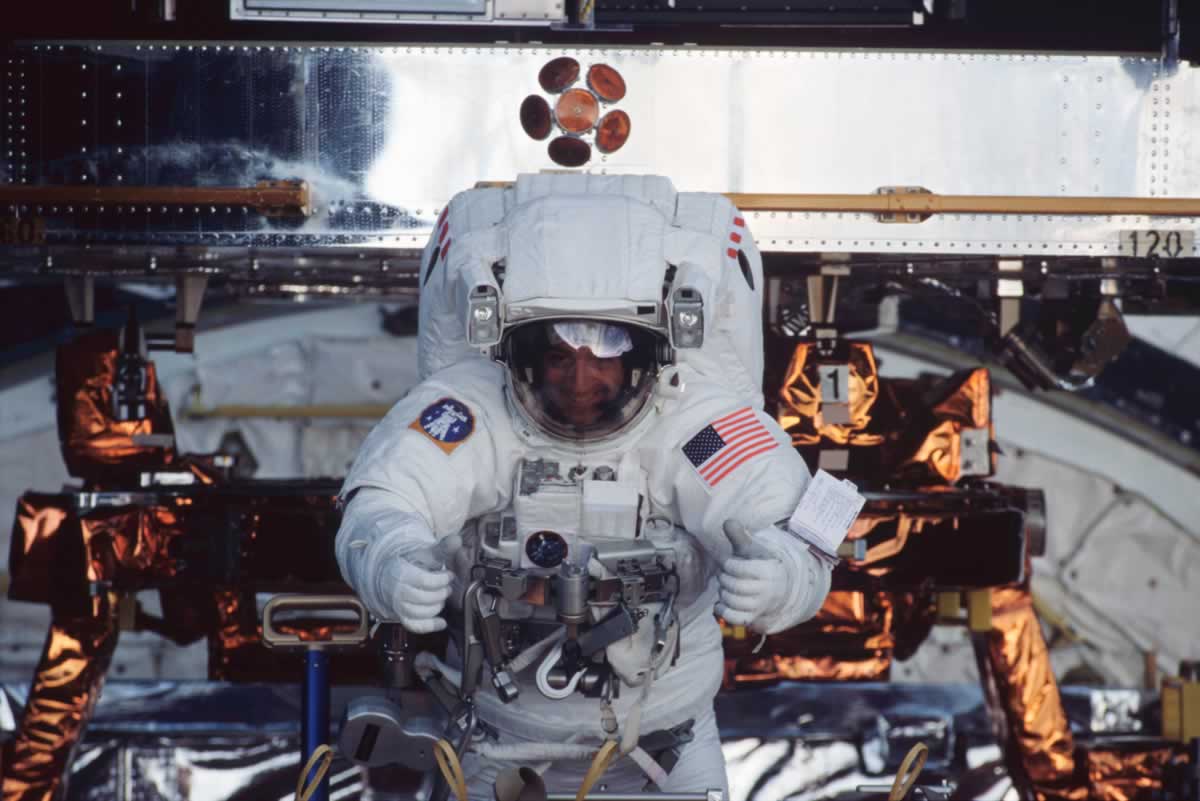
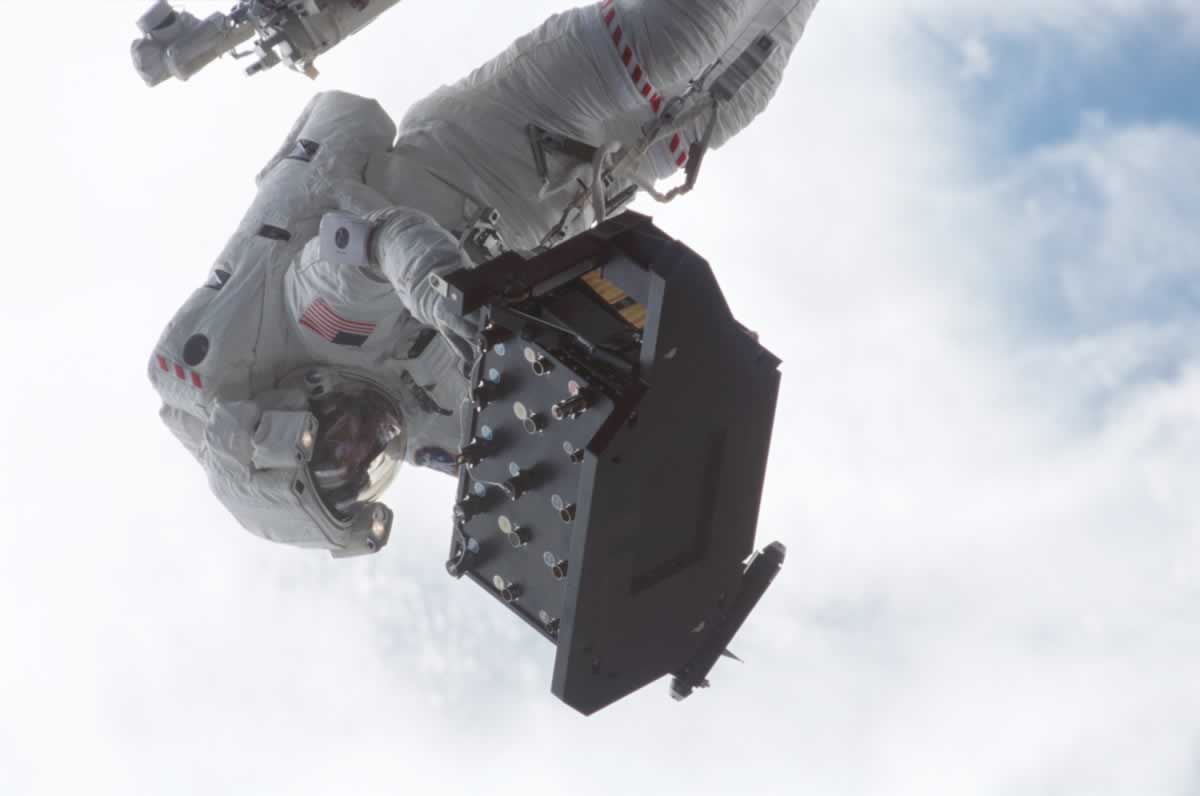
After working as an engineer at IBM, NASA, and McDonnell Douglas Aerospace, along with academic appointments at Rice University and at the Georgia Institute of Technology, Mike was selected as an astronaut by NASA in 1996, and is the veteran of two space flights, the fourth and fifth Hubble Space Telescope servicing missions in 2002 and 2009. Mike has a team record for the number of hours spacewalking in a single space shuttle mission, and he was also the first person to tweet from space. During his NASA career he received two NASA Space Flight Medals, the NASA Distinguished Service Medal, the American Astronautical Society’s Flight Achievement Award, and the Star of Italian Solidarity.
Mike has made numerous television appearances, including a six-time recurring role as himself on the CBS hit comedy The Big Bang Theory. He has hosted Science Channel’s The Planets and its special Great American Eclipse. He is featured in National Geographic Channel’s series One Strange Rock and is the host for Science Channel’s series The Planets and Beyond. He is a frequent guest on television news and talk show programs, including NBC’s Today Show, ABC’s Good Morning America, and CNN. He has also appeared on the Late Show with David Letterman and the Late Late Show with Craig Ferguson, and on StarTalk radio and television shows.
Mike’s book, Spaceman: An Astronaut’s Unlikely Journey to Unlock the Secrets of the Universe, has received rave reviews and is a New York Times best-seller. Mike’s new book, Spaceman: The True Story of a Young Boy’s Journey to Becoming an Astronaut, a young adult version of his previously published autobiography, is scheduled for publication on April 7th, 2020. He is a recipient of the 2017 Christopher Award, the 2017 Columbia University Community Impact Outstanding Community Service Award, the 2017 National Space Club Communications Award, and in 2018 was inducted into the Long Island Air and Space Hall of Fame. The street that Mike grew up on in Franklin Square, Long Ismoland has been renamed “Mike Massimino Street.”
Mike shares with audiences personal stories of inspiration, innovation, teamwork and leadership as drawn from his experiences in one of the greatest and most dangerous jobs someone can have—NASA astronaut. Through humor and storytelling, he highlights the pursuit and achievement of a childhood dream, the dedication and teamwork necessary to train for one of NASA’s most difficult space missions, the determination needed to face tragedies like the Columbia space shuttle accident, and the innovation and leadership necessary to overcome seemingly insurmountable trials when in space and beyond. He leaves his audiences understanding the value of having passion for what you do, of perseverance in achieving a goal, of building a team to meet great challenges, and of creativity and innovation in problem solving. He also inspires audiences with the awe and beauty of space and shares his thoughts on the future—both personal and in regard to the ever-changing and competitive space program.
Companies go through reorganizations and changes to grow their business and prepare for future opportunities in the changing marketplace. Often these transformations are met with resistance by team members who are happy with the way things are, but leadership needs to clearly communicate the benefits of these changes to gain buy-in. Mike relates changes in the space program to changes in today’s business world. During his career, NASA pivoted from working independently to embarking on global partnerships with the space faring countries of the world including Russia, and commercial partnerships with private space companies. Leadership made it clear that although many would be uncomfortable with these changes, they were needed to secure the future of space exploration, improve international relations, and stimulate a new space economy. Mike encourages audiences that although they may have an initial reluctance to accept change, they should embrace it as an opportunity for future greatness and success.
An organization’s goals are only obtainable if everyone on the team works together. Individual accomplishments are needed, but the success of the team is most important. In our complex world, not everyone can be good at everything. But by pooling our abilities, we can be good at everything as a team. Mike conveys how he and his colleagues worked together with a culture of admitting mistakes and bringing forward concerns without worry of embarrassment or finger pointing. Providing help to teammates was not considered to be a burden, but rather a way to make the team stronger. When Mike broke a critical piece of equipment while repairing the Hubble Space Telescope during his final spacewalk, his team was there to help. Rather than blaming Mike, the ground control team and the astronauts in space worked together with him to come up with an innovative solution that saved the day and the mission. Although not every problem has an obvious solution, teamwork can help us with overcoming unforeseen challenges. Mike communicates to audiences how the NASA models for teamwork and leadership can be applied to the business world and in life. When you need help, reach out to your own “Mission Control Center,” and be “Mission Control” for others.
Sometimes forces out of our control can make moving forward difficult. In spite of our best efforts we often get knocked down repeatedly. But we need to find a way around that next obstacle. Mike encourages audiences: When the odds are against you, do it anyway. Mike’s dream of becoming an astronaut began when he was six years old watching Neil Armstrong take the first steps on the moon. The path to achieving this dream was wrought with unexpected challenges, failures, disappointments, and self doubt. Mike was rejected three times by NASA including a medical disqualification which Mike overcame by teaching his eyes and brain to “see better.” His persistence paid off when he was selected to be an astronaut on his fourth try. This same resilience was needed after earning his astronaut wings to persevere through the setbacks, tragedies, and technical challenges that Mike experienced in his astronaut career. Mike stresses that as long as you keep trying, no matter the obstacles, achieving a goal is possible.
AI and new technology is all around us. It can be intimidating. But it can also provide opportunities for growth and improve our decision making. The Space Shuttle was a manually controlled spacecraft. Very little computing power was available and astronauts and flight controllers were responsible for operations and decision making during high stakes situations. In today’s spaceships, AI performs many of the decision making tasks previously done by astronauts. But the path getting there was not easy as astronauts were accustomed to being in total control of their spacecraft. The road to acceptance was through demonstrated benefits such as increased safety, improved performance, and reduced training time. Mike encourages audiences to embrace new technologies and AI to give them the competitive edge they need in meeting the challenges of a dynamic and uncertain world.
In the challenging world in which we live and work, the problems we face are complex. Growing our businesses in an uncharted future requires innovation. Mike found that innovation at NASA came through diversity of thought, and everyone having a voice. If everyone thought the same way we would have never landed on the moon. To prepare for their spacewalks, Mike and his team trained in the largest pool in the world – The Neutral Buoyancy Laboratory. At first Mike was confused as to why the facility was called a “laboratory.” A more appropriate name seemed to be “really big pool.” But after time, Mike realized that it was a laboratory – a place where innovative ideas would be put forward and tested. During a training session, if the team could figure out a way to save even one minute of spacewalking time it would be a significant accomplishment. And everyone had a voice, including the new people. Not all ideas were good, but leadership never crushed those ideas. They responded with “thank you” and “keep bringing ideas forward.” Because once you crush an idea, the person is likely to stay silent in the future, and the team will not get the useful idea when it eventually comes. Mike is clear: innovation is only possible when a diverse group of people exchange ideas and everyone has a voice. Mike shares examples of how this approach worked when he was a rookie, and when he was the leader of a team trying to uncover innovative ways to meet current and future challenges in space.
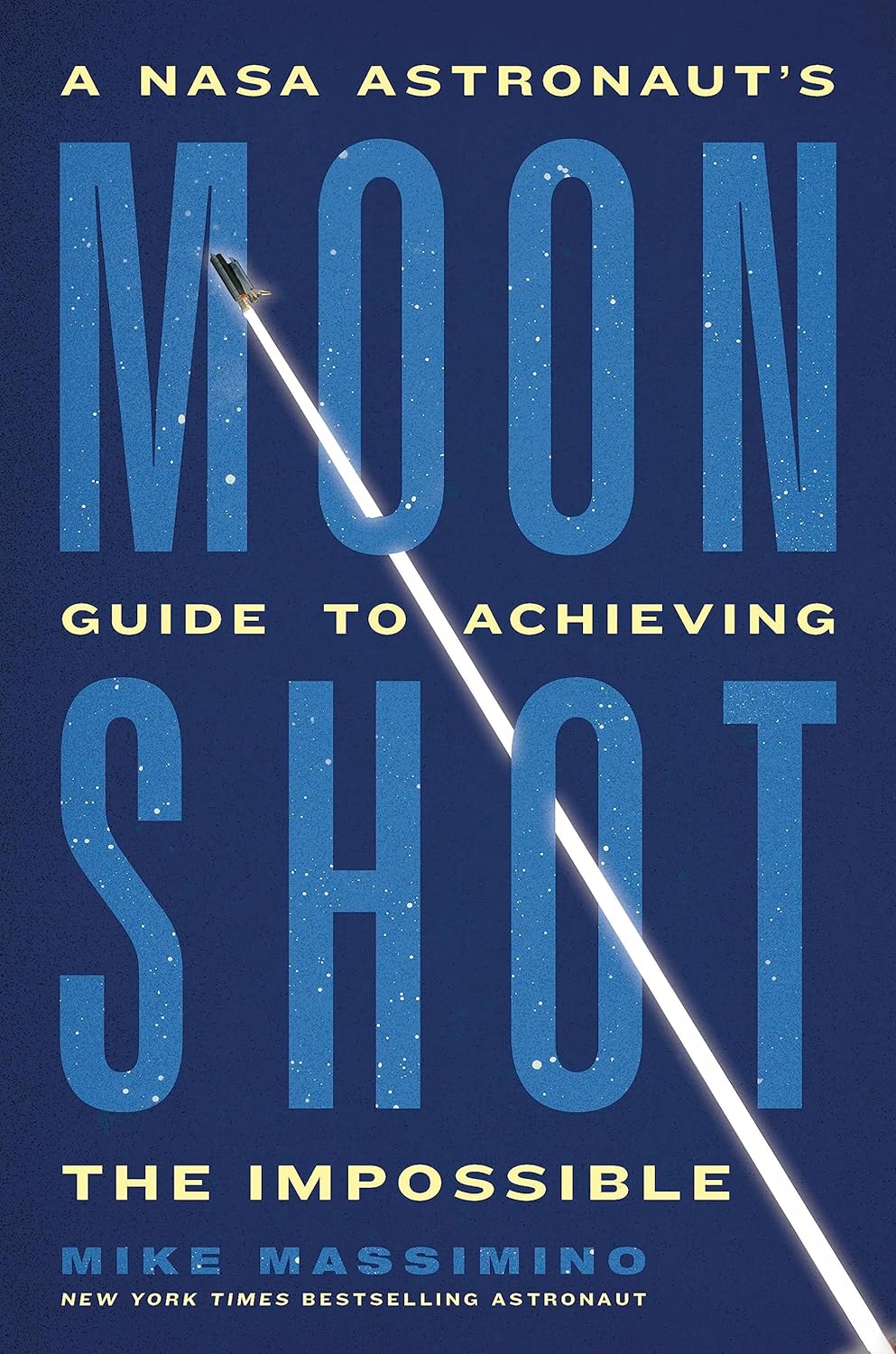
Moonshot: A NASA Astronaut's Guide to Achieving the Impossible
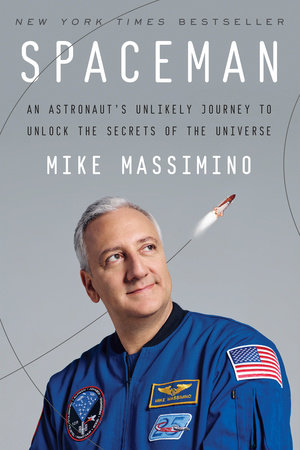
Spaceman 1
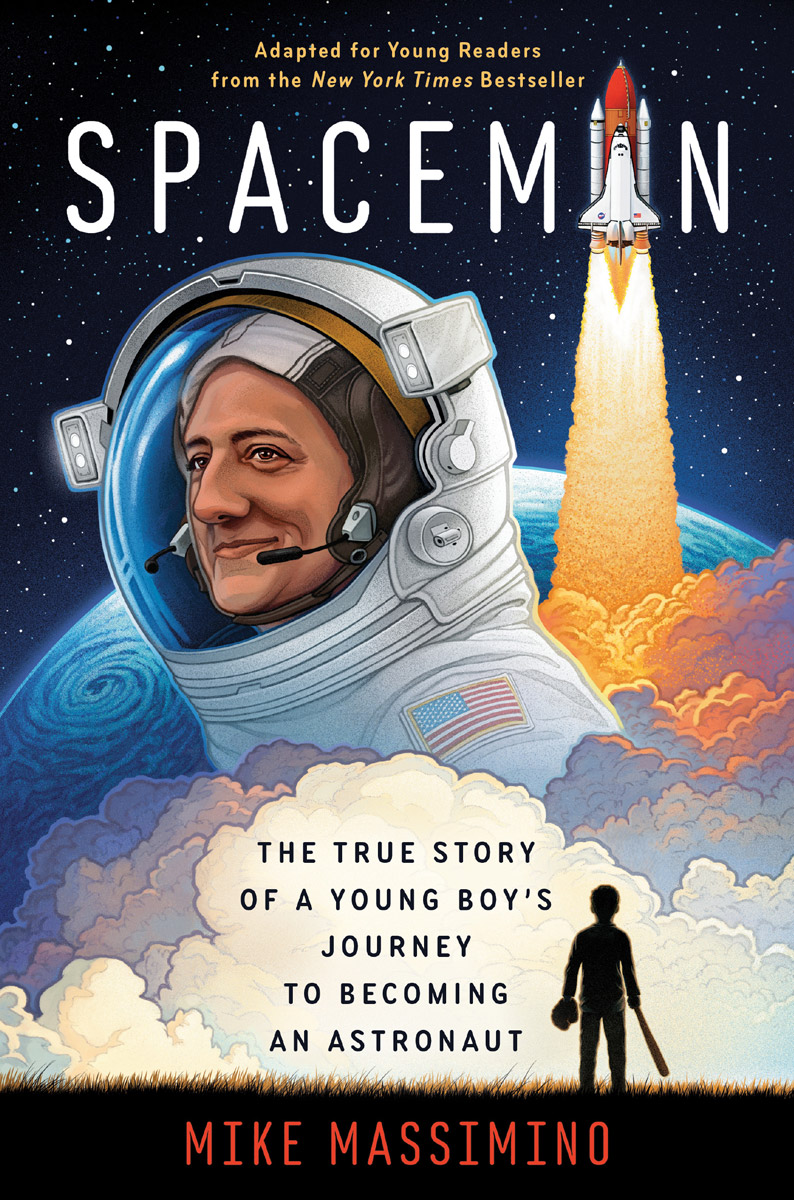
Spaceman 2
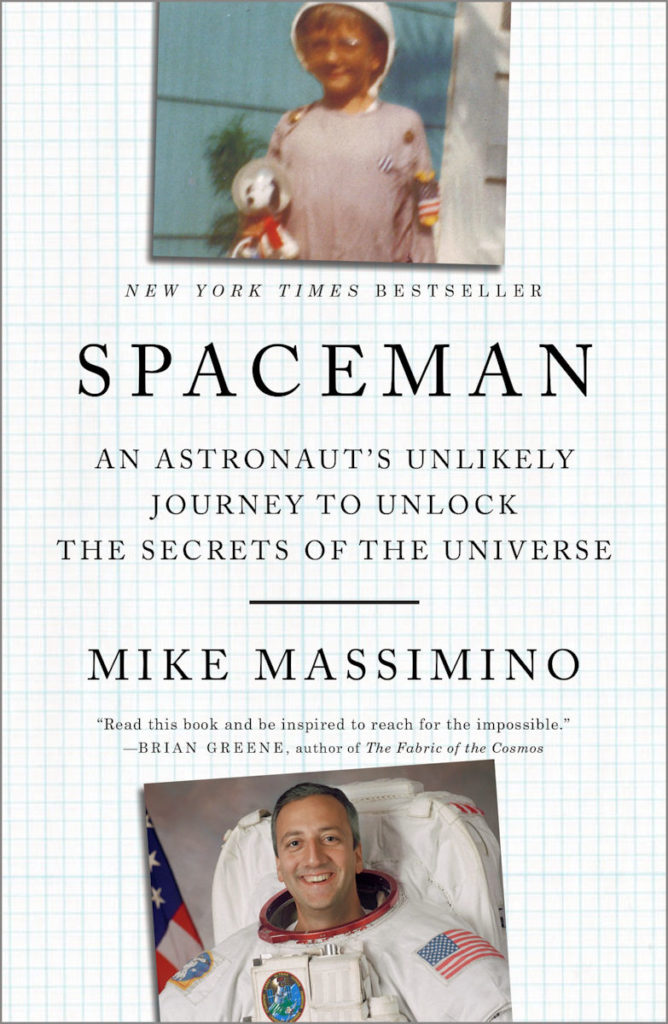
Spaceman 3
Insights on how confidence and vulnerability coexist in high-performing teams from decorated Navy fighter pilot Jack Becker's proven debrief strategies.
Read More
The champion mindset that separates top performers from everyone else with insights from elite performance speaker Ross Bernstein.
Read More
Discover where real inspiration comes from with Chris Schembra's proven approach to human connection that transforms workplace culture and employee engagement.
Read More
Learn how brand identity drives business success from the inside out with expert insights from Denise Lee Yohn on culture, purpose, and customer experience.
Read More
AI decision-making needs guardrails. Explore how keynote speakers help leaders build responsible AI governance without sacrificing innovation.
Read More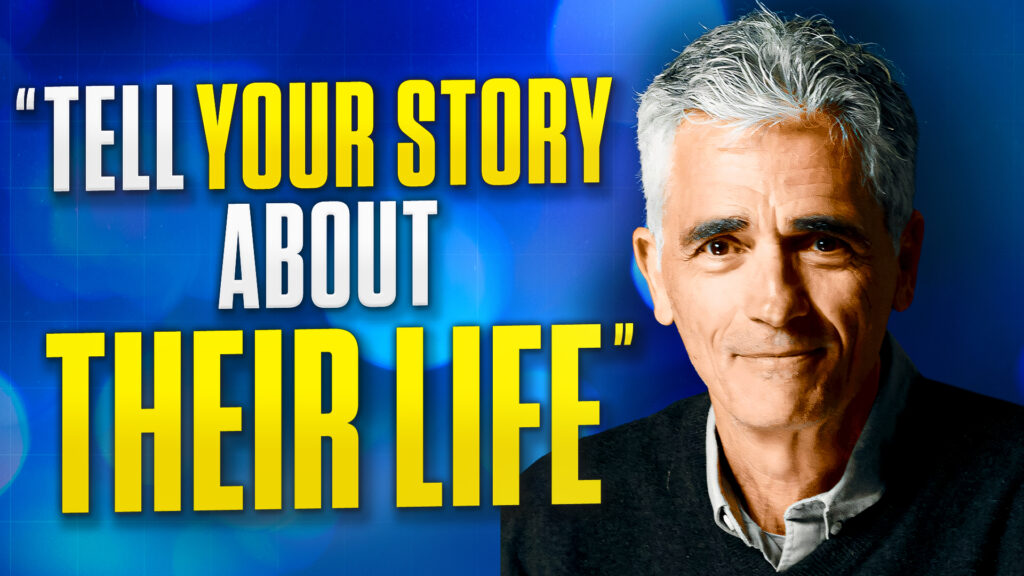
Storytelling expert Bruce Turkel shares proven techniques to transform events from forgettable presentations into experiences audiences remember.
Read More
© 2026 The Keynote Curators. All Rights Reserved | Terms and Conditions
The Keynote Curators, 8275 South Eastern Avenue, Suite 200, Las Vegas, NV 89123
Local (310) 299-4595 | Toll Free (888) 585-8715 | info@thekeynotecurators.com
The Keynote Curators - Top Keynote Agency, USA.

Booking a Keynote Speaker: The Essential Checklist