- The Keynote Curators - Top Speaker Agency in North America
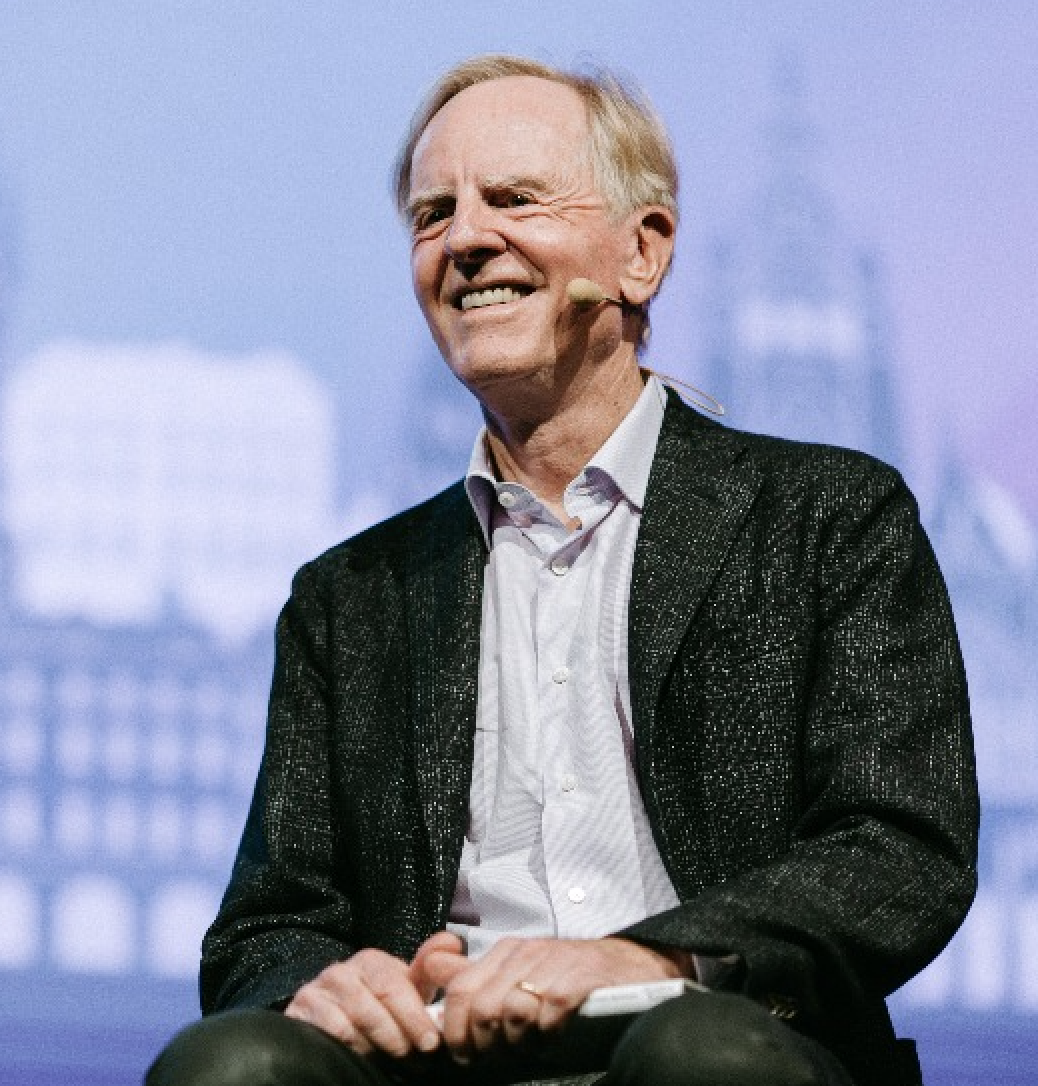
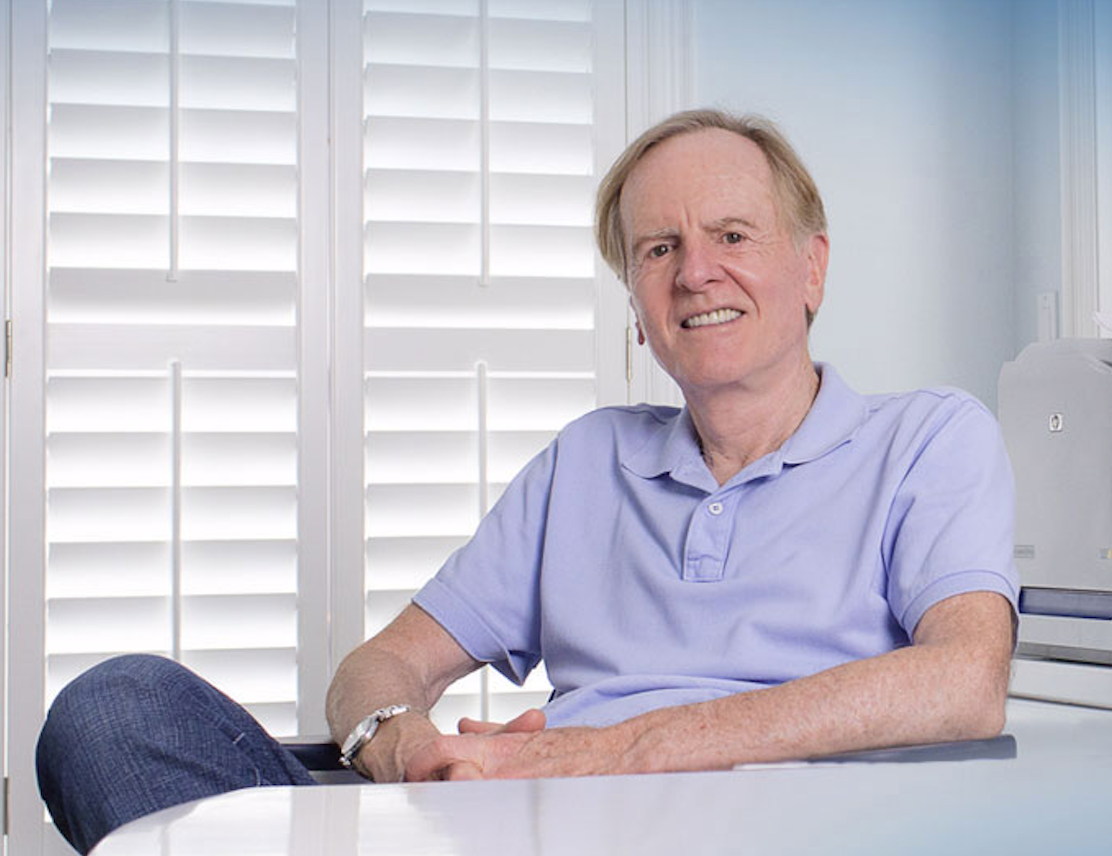
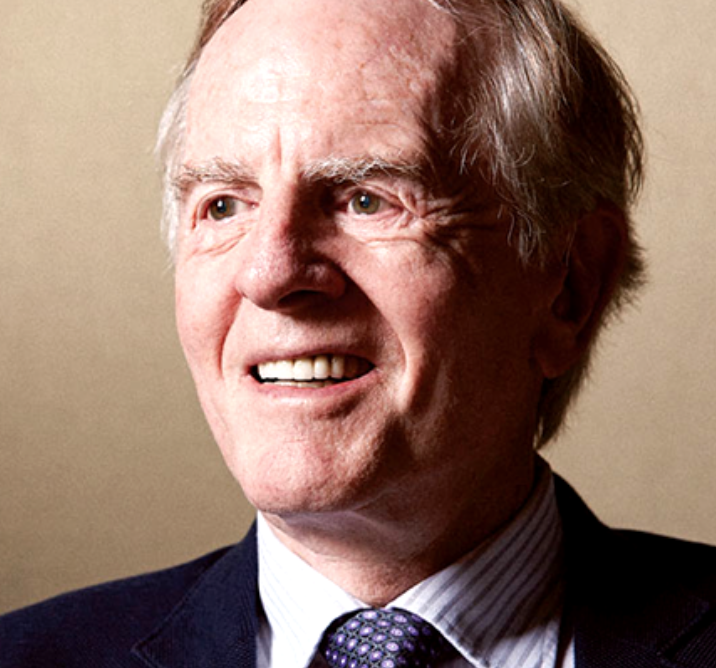
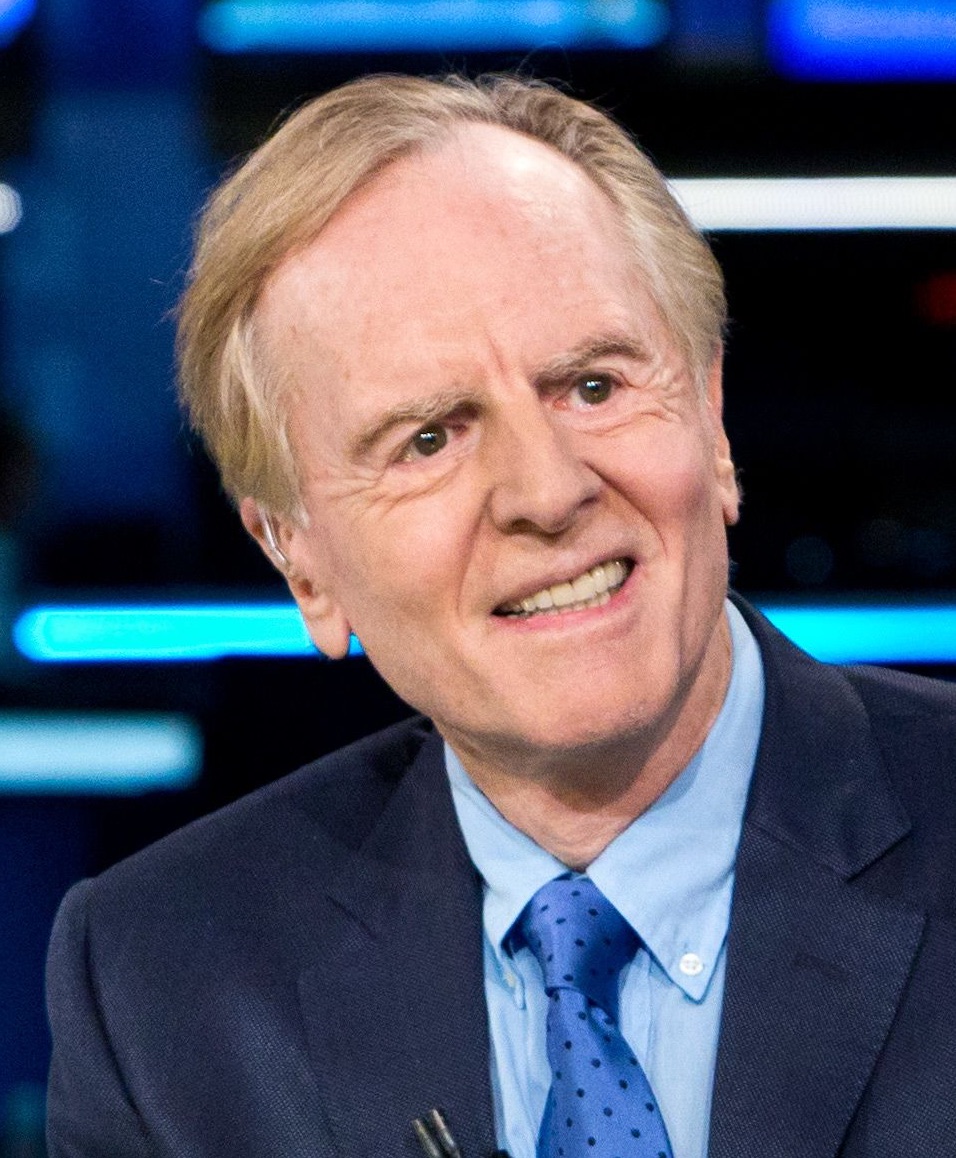
Born on April 6, 1939, in New York City, John Sculley became the Pepsi-Cola Company’s youngest-ever CEO and president. After taking over as chief of Apple Computers Inc. in 1983, Sculley famously butted heads with co-founder Steve Jobs, but presided over a highly profitable period during his 10 years in charge. Sculley continues to consult for startups, notably in the healthcare industry.
John Sculley was born on April 6, 1939, in New York City. After splitting his childhood between New York City and Bermuda, where his mother’s family was from, Sculley studied architectural design at Brown University, then received his MBA from the Wharton School of Finance.
Sculley joined the Pepsi-Cola Company as a trainee in 1967. Named vice president of marketing three years later, Sculley was responsible for the successful “Pepsi Challenge” campaign, in which consumers were asked to choose between Pepsi and Coke in a blind taste test. In 1977, he became Pepsi’s youngest CEO and president to date.
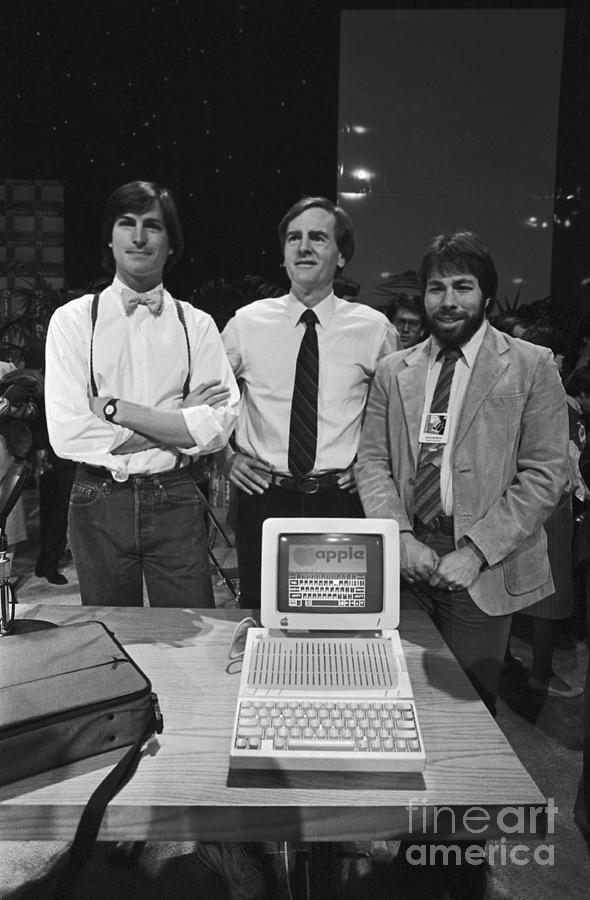
Reportedly lured by Steve Jobs, Apple Computers Inc.’s cofounder and president at the time, with the pitch, “Do you want to sell sugar water for the rest of your life or do you want to come with me and change the world?,” Sculley took over as Apple’s CEO in 1983. Despite his lack of technology expertise, he and Jobs initially saw eye-to-eye on marketing strategy. However, when sales of the Apple Macintosh stalled following its release in 1984, the two butted heads on the company’s course and the relationship grew strained. The board of directors intervened and asked Jobs to step down from heading the Macintosh division, and the spurned founder left the company in 1985.
Although Sculley was later criticized for “firing” Jobs and running Apple into the ground, the company enjoyed a successful run over the next few years. Macintosh sales reignited on the heels of improvements in desktop publishing technology, while the color capabilities of the Macintosh 2 and the portable PowerBook series dazzled customers. However, a series of missteps proved costly. Sculley looked foolish for throwing his promotional weight behind the Newton Message Pad, a clunky hand-held device that functioned erratically, and he was criticized internally for refusing to lower product prices and license Apple software. Although annual sales had grown from $800 million to $8 billion during his 10 years in charge, Sculley was forced out of the CEO role in June 1993. He resigned from the company four months later.
Following his departure from Apple, Sculley briefly served as CEO of Spectrum Technologies Inc. before taking on a consulting role with Eastman Kodak Co. In 1995, he teamed with siblings Arthur and David to form the venture capitalist firm Sculley Brothers LLC.
In recent years, Sculley has turned his focus to the healthcare industry. He is on the board of directors of Watermark Medical, developer of an in-home sleep apnea diagnostic device, and on the board of advisors for Audax Health Solutions, a startup which helps consumers devise online personalized health plans.
This speaker tailors this topic for each event. Please let us know if you'd like us to source a topic description.
This speaker tailors this topic for each event. Please let us know if you'd like us to source a topic description.
This speaker tailors this topic for each event. Please let us know if you'd like us to source a topic description.
This speaker tailors this topic for each event. Please let us know if you'd like us to source a topic description.
This speaker tailors this topic for each event. Please let us know if you'd like us to source a topic description.
This speaker tailors this topic for each event. Please let us know if you'd like us to source a topic description.
This speaker tailors this topic for each event. Please let us know if you'd like us to source a topic description.
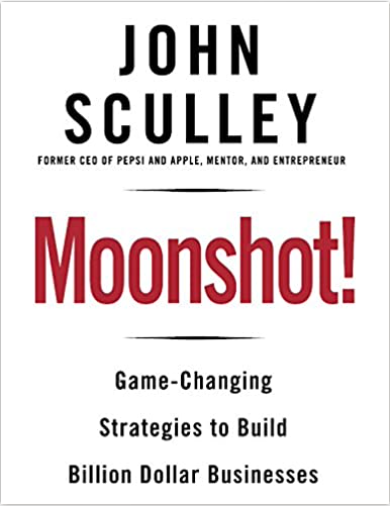
Moonshot! Game Changing Strategies To Build Billion Dollar Businesses
Insights on how confidence and vulnerability coexist in high-performing teams from decorated Navy fighter pilot Jack Becker's proven debrief strategies.
Read More
The champion mindset that separates top performers from everyone else with insights from elite performance speaker Ross Bernstein.
Read More
Discover where real inspiration comes from with Chris Schembra's proven approach to human connection that transforms workplace culture and employee engagement.
Read More
Learn how brand identity drives business success from the inside out with expert insights from Denise Lee Yohn on culture, purpose, and customer experience.
Read More
AI decision-making needs guardrails. Explore how keynote speakers help leaders build responsible AI governance without sacrificing innovation.
Read More
Storytelling expert Bruce Turkel shares proven techniques to transform events from forgettable presentations into experiences audiences remember.
Read More
© 2026 The Keynote Curators. All Rights Reserved | Terms and Conditions
The Keynote Curators, 8275 South Eastern Avenue, Suite 200, Las Vegas, NV 89123
Local (310) 299-4595 | Toll Free (888) 585-8715 | info@thekeynotecurators.com
The Keynote Curators - Top Keynote Agency, USA.


Booking a Keynote Speaker: The Essential Checklist