- The Keynote Curators - Top Speaker Agency in North America
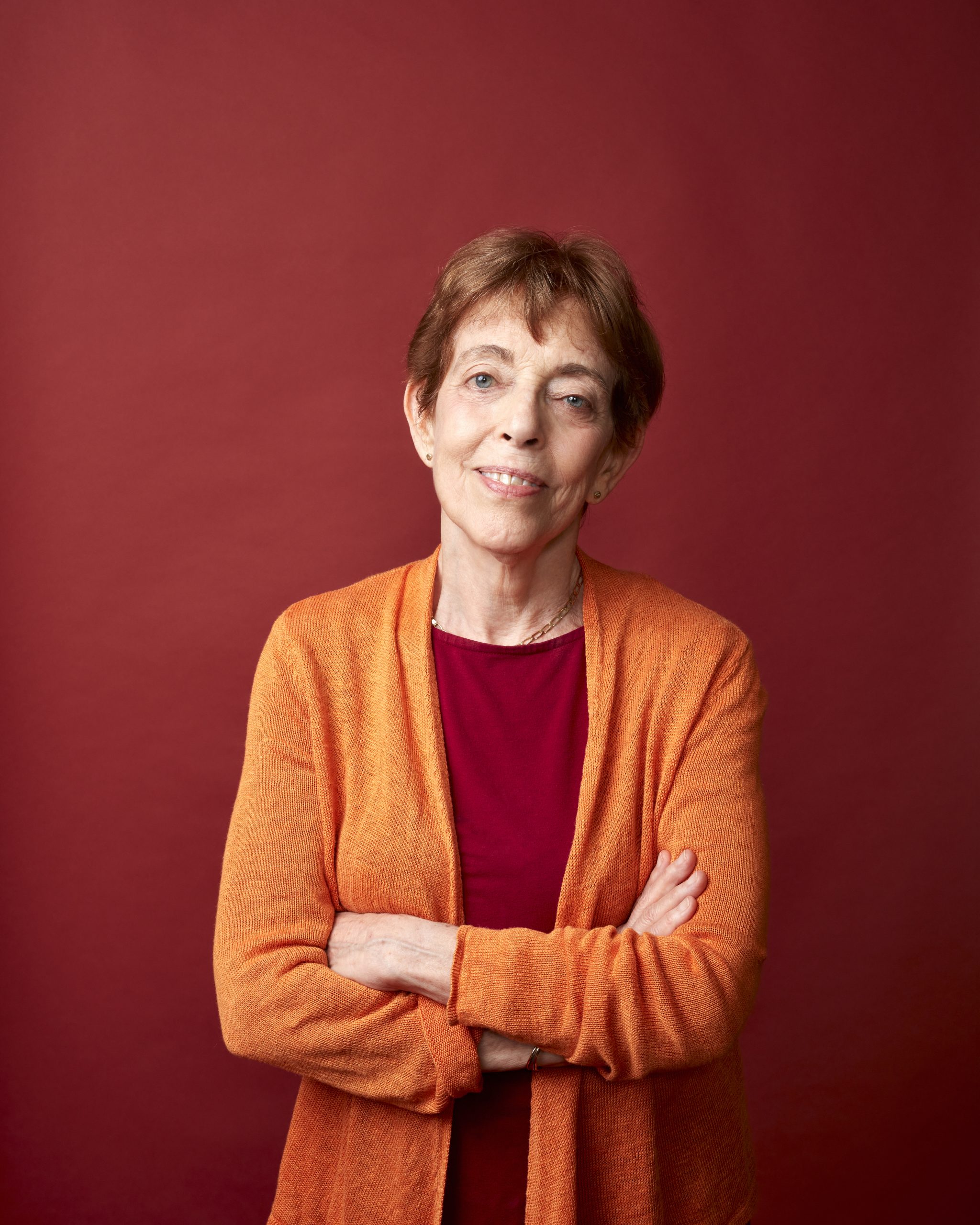
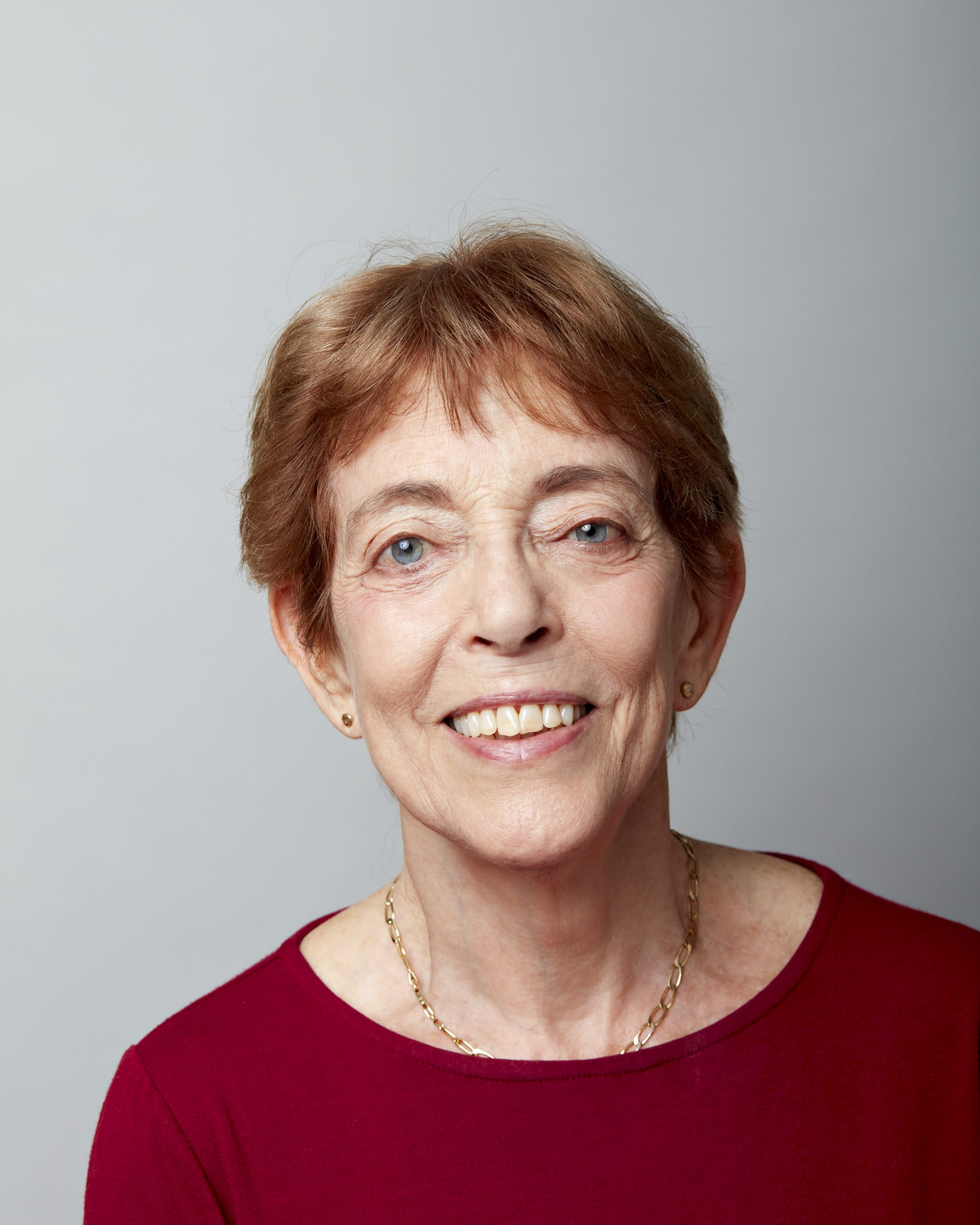
Shanna H. Swan, Ph. D., is one of the world’s leading environmental and reproductive epidemiologists. She is a Professor of Environmental Medicine and Public Health at the Icahn School of Medicine at Mount Sinai in New York City and a member of the Transdisciplinary Center on Early Environmental Exposures and the Mindich Child Health and Development Institute.
For over 20 years, Dr. Swan and her colleagues have been studying the dramatic decline in sperm count worldwide and the impact of environmental chemicals and pharmaceuticals on reproductive tract development and neurodevelopment. Her July 2017 paper “Temporal Trends in Sperm Count: a systematic review and meta-regression analysis” ranked #26 among all referenced scientific papers published in 2017 worldwide.
Dr. Swan has published over 200 scientific papers and myriad book chapters and has been featured in extensive media coverage worldwide. Her appearances include ABC News, NBC Nightly News, 60 Minutes, CBS News, PBS, the BBC, PRI Radio, and NPR, as well as in leading magazines and newspapers, ranging from The Washington Post to Bloomberg News to New Scientist.
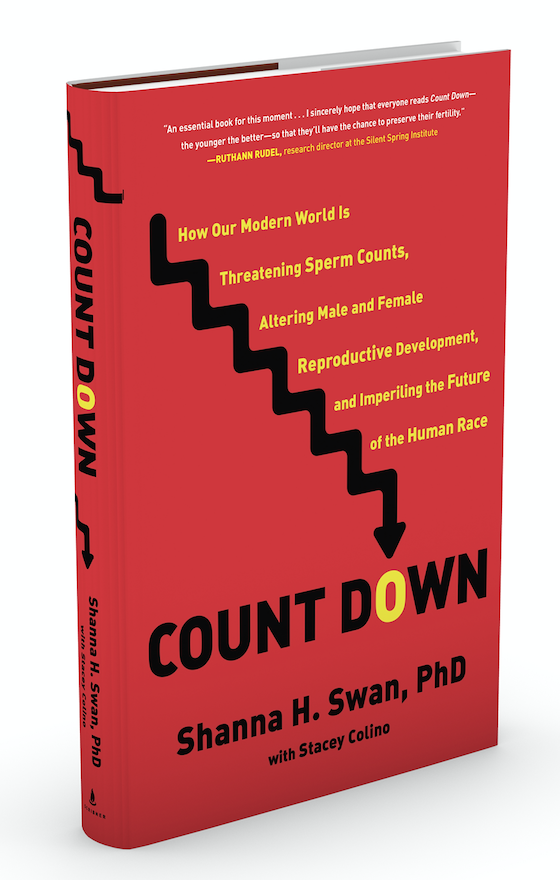
Count Down: How Our Modern World Is Threatening Sperm Counts, Altering Male and Female Reproductive Development, and Imperiling the Future of the Human Race
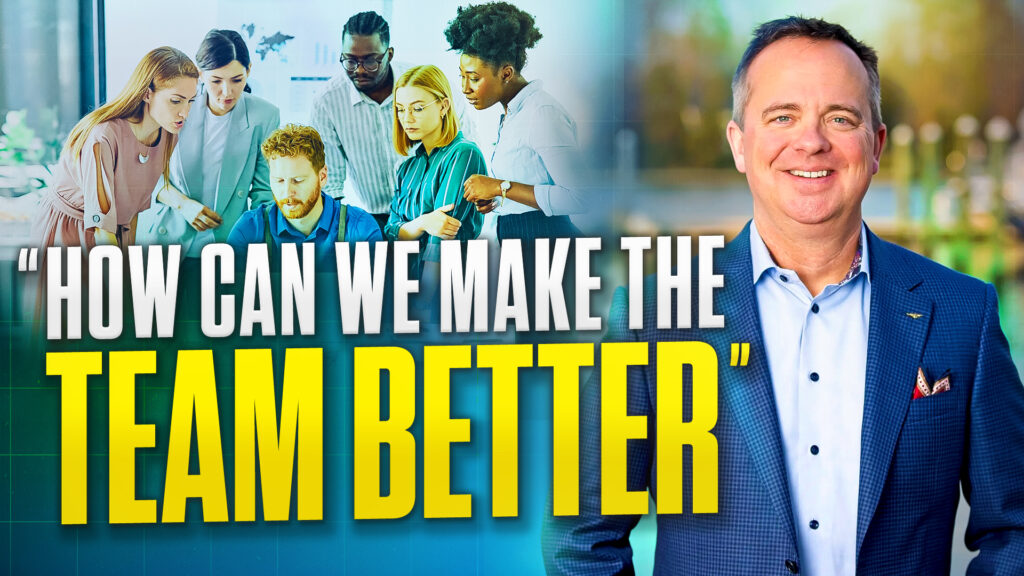
Insights on how confidence and vulnerability coexist in high-performing teams from decorated Navy fighter pilot Jack Becker's proven debrief strategies.
Read More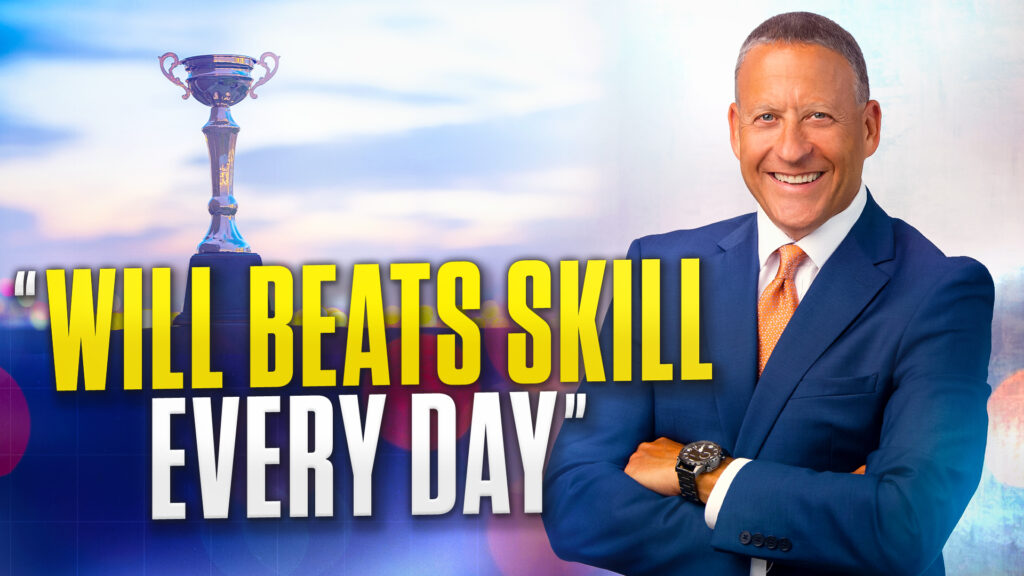
The champion mindset that separates top performers from everyone else with insights from elite performance speaker Ross Bernstein.
Read More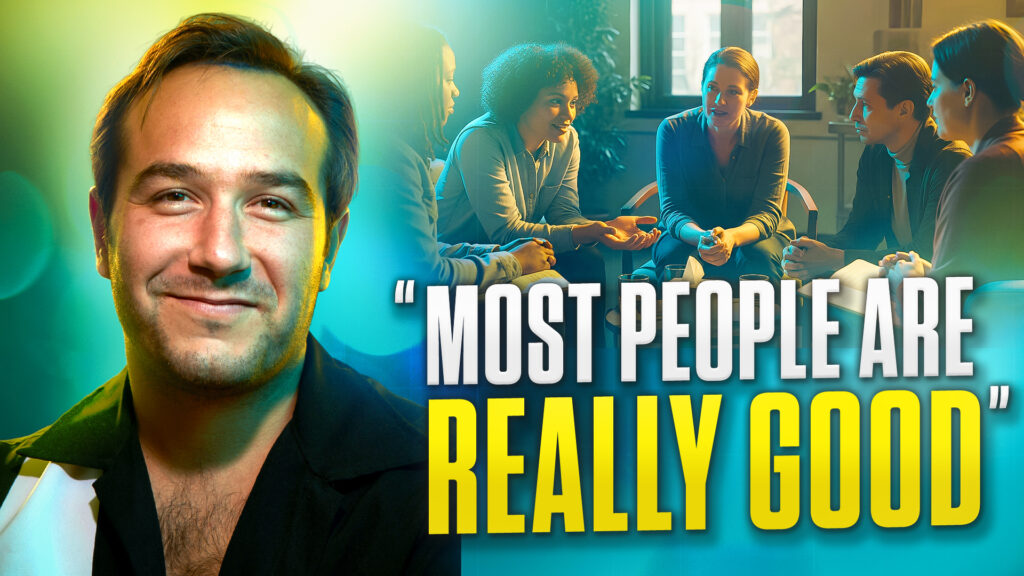
Discover where real inspiration comes from with Chris Schembra's proven approach to human connection that transforms workplace culture and employee engagement.
Read More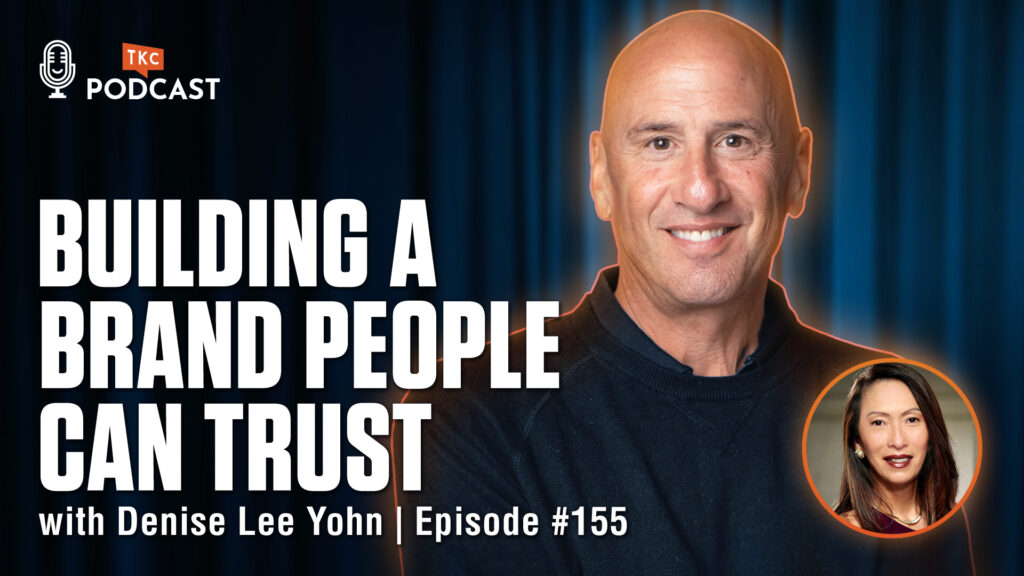
Learn how brand identity drives business success from the inside out with expert insights from Denise Lee Yohn on culture, purpose, and customer experience.
Read More
AI decision-making needs guardrails. Explore how keynote speakers help leaders build responsible AI governance without sacrificing innovation.
Read More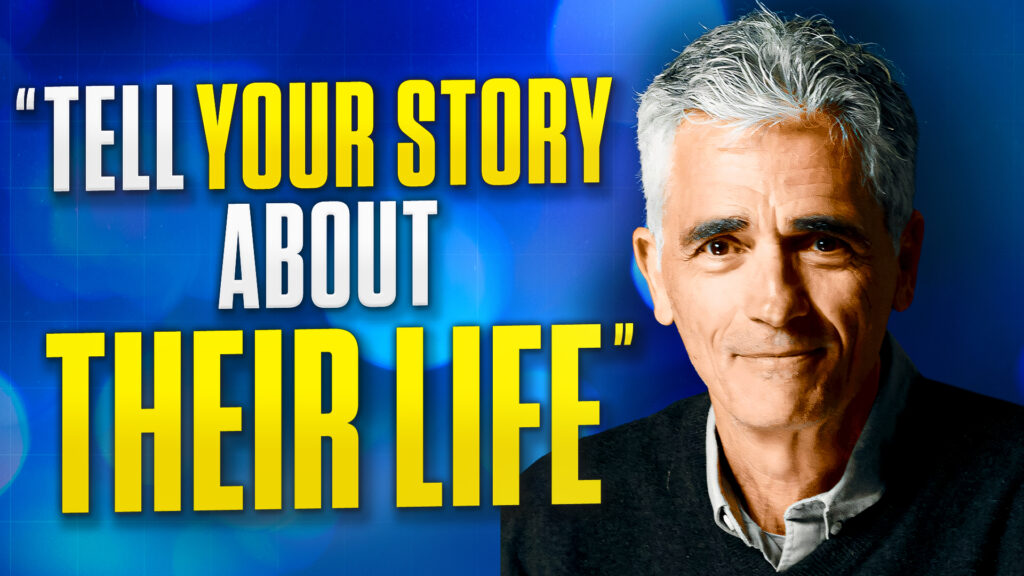
Storytelling expert Bruce Turkel shares proven techniques to transform events from forgettable presentations into experiences audiences remember.
Read More
© 2026 The Keynote Curators. All Rights Reserved | Terms and Conditions
The Keynote Curators, 8275 South Eastern Avenue, Suite 200, Las Vegas, NV 89123
Local (310) 299-4595 | Toll Free (888) 585-8715 | info@thekeynotecurators.com
The Keynote Curators - Top Keynote Agency, USA.
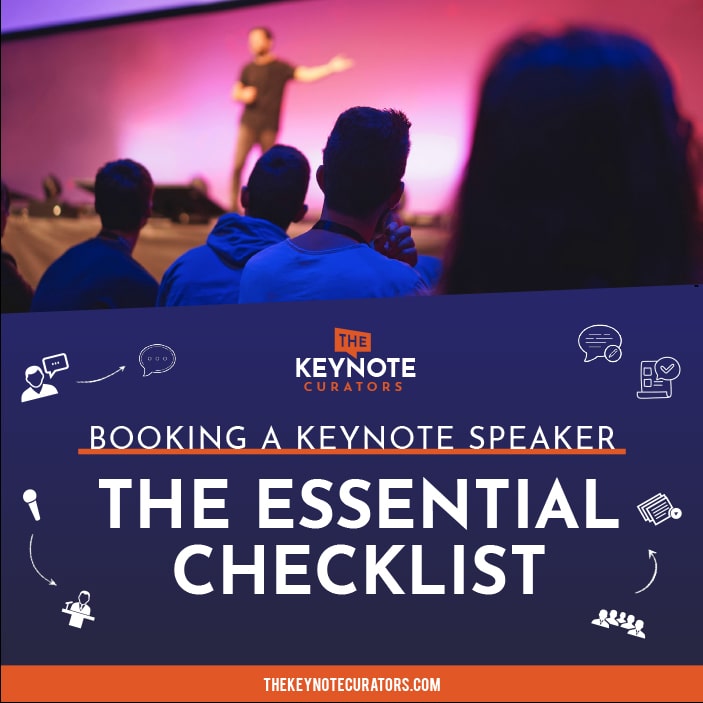
Booking a Keynote Speaker: The Essential Checklist